Author: The Thinking Yid

The Consequences of Uncontested Elections: Chaim Rose and Avrohom Fromovitz, CPA, Award Themselves Taxpayer Funded Lifetime Health Insurance

In March 2021, Chaim Rose was elected trustee of the Village of Chestnut Ridge. Shortly thereafter, for the first time ever taxes were raised 8% in one year. About a year later Avrohom Fromovitz, CPA, was appointed a trustee as well.

Soon after, in 2023, taxes were raised by an additional 45%.

In 2020 property taxes were $12.06 per $1,000.00 of assessed value. By 2025 property taxes were levied at a rate of $23.10 per $1,000.00 of assessed value, a 91% increase in just 5 years. To put things in perspective in the entire 5-year period from 2014 to 2019 property taxes increased by just 9% (from $10.54 to $11.48 per $1,000.00 of assessed value).

While burdening homeowners with dramatically increased property taxes, Fromovitz and Rose quadrupled their salaries, raising village employee payroll costs by several hundred thousand dollars. This may not sound like much, but Chestnut Ridge is a small village with a very small tax base. Small villages generally pay very low salaries. Rose raised his salary from $6,000.00 to $50,000.00 in a few years.

In 2024 after taxes had risen 71% from 2021 the village put out a misleading letter which blamed the dramatic tax increases on the rising cost of waste management, while failing to mention the village’s ballooning payroll costs caused by Fromovitz and Rose’s self-serving raises.

In reward for their prudent management, the leaders of Chestnut Ridge wholeheartedly endorsed Rose and Fromovitz, CPA, for reelection. Their support effectively prevented any serious challenge to Fromovitz or Rose.

After consolidating power Rose and Fromovitz continue to find new ways to enrich themselves at the expense of homeowners. Last month Fromovitz and Rose voted to provide themselves with free health insurance paid for by already struggling Chestnut Ridge taxpayers, which will undoubtedly lead to further tax increases. To add insult to injury, the law awards trustees with health insurance for life after 7 years, which  means that every time the village gets a new trustee who stays in office for the typical 2 terms, the village will be left with a legacy cost of a lifetime insurance policy.

To put things in perspective, Fromovitz is about 39 years old. If he takes this plan until 85 that means a bill to the taxpayers of well over one million dollars even before adjusting for inflation. For just one trustee.

“Nice work if you can get it.”

Avi Yankelewitz, Esq. The writer can be reached at avi@yankelewitzlaw.com

The Seminary Trap: Time to Push Back!

For decades, an unspoken rule has governed the lives of frum girls in America: if you want a good shidduch, you must go to seminary. What was once an optional, enriching experience for a select few has transformed into an expectation, a near-mandatory checkpoint in the system. But why? Who decided that an expensive, year-long program in Israel is a requirement? More importantly, why are we still going along with it?

How Seminaries Became Mandatory

It wasn’t always like this. Decades ago, seminaries were meant for a small percentage of girls who sought an extra year of intense learning and spiritual growth. It was a privilege, not an expectation. But somewhere along the way, things shifted. By the 1980s and 1990s, seminary attendance became the norm rather than the exception. As shidduchim became more and more competitive, parents and girls alike began to view seminary as a non-negotiable credential on a resume. Now, we’re at a point where skipping seminary is a liability, a stigma that can haunt a girl and her family.

From Gap Year to Glorified Sleep Away Camp

Originally, seminary served as a bridge between adolescence and adulthood, giving young women an opportunity to solidify their hashkafos before entering the next stage of life. It was a true “gap year,” offering not just learning but real-world independence. Today, however, seminary has devolved into something else entirely. Instead of fostering self-sufficiency, it has become an extension of high school, an expensive, heavily sheltered experience where everything is arranged and provided. Laundry services, catered meals, dormitory supervision—it’s all there. Girls graduate seminary with the same level of dependence they had when they left home.

(more…)

The Misconception of any “Schlesinger” Name’s Connection to Levite Origins

In Jewish genealogy, surnames carry rich historical and cultural significance. They reflect geographic origins, professions, or familial traditions—but not every surname ties directly to tribal lineage or religious roles. A new, unsupported claim has emerged regarding the surname Schlesinger: that it is connected to Levite lineage (Leviim). This claim lacks historical evidence and ignores the straightforward geographic origin of the name. Unlike surnames with clear ties to Levite or Kohen roles, such as Kasdan, Katz, or Levy, the name Schlesinger is firmly rooted in geographic tradition, not tribal heritage.

The Origin of Schlesinger: Geography, Not Lineage

The surname Schlesinger is a locative name derived from Schlesien, the German word for Silesia, a historical region in Central Europe (modern-day Poland, Germany, and Czechia). During the late 18th and 19th centuries, many Jewish families in German-speaking territories were required to adopt permanent surnames. Those living in or originating from Silesia often chose Schlesinger, directly referencing their regional roots.

This name is entirely geographic. Unlike surnames explicitly tied to Kohen or Levite heritage, such as Katz or Segal, Schlesinger carries no linguistic or historical markers of religious or tribal status. It is akin to other regional Jewish surnames, such as Berliner (from Berlin) or Frankfurter (from Frankfurt), which reflect geographic identity rather than spiritual lineage.

(more…)

The Flawed Narrative: Addressing Bias in the Discussion of Divorce in the Frum Community

The recent article, “Divorced Wives: Why Frum Acceptance of Divorce Led to Disastrous Results,” presents itself as a commentary on the growing normalization of divorce within the frum community. However, its overwhelmingly one-sided perspective and blatant bias against women undermine any meaningful contribution to the conversation. A more balanced and nuanced approach is needed to explore the true challenges facing frum marriages and the consequences of divorce.

Blame Misplaced: Feminism as a Convenient Scapegoat

The article attributes the erosion of family values to the influence of feminism, painting it as the root cause of marital breakdowns. This oversimplification ignores the cultural pressures within the frum world that also contribute to these issues.

One glaring omission is the discussion of the role of young men who are often raised with the expectation to exclusively learn Torah, with financial support provided by their in-laws. While Torah study is a cornerstone of frum life, this reliance can sometimes foster an unhealthy dynamic, where men are neither financially independent nor emotionally prepared for the realities of marriage.

When these young men enter marriage, many lack the maturity and skills to contribute as equal partners. This dynamic places an undue burden on women, who are expected to manage the home, raise children, and often support the family financially—all while respecting their husbands as the “head of the household.” Feminism is not the sole disruptor of family values; systemic imbalances within the community also deserve scrutiny.

(more…)

Divorced Wives: Why Frum Acceptance of Divorce Led to Disastrous Results

A relatively new phenomenon has arisen in the Orthodox Jewish world: divorce. While in the past it was a rare consequence of a husband beating his wife or a wife committing adultery (R”L), nowadays the frum divorce rate seems to be out of control, with young mothers (or in some cases fathers) stating that they didn’t have a connection with their spouse.

The questions are as follows: What changed? What are the results of these behaviors? What is the Torah view on this? And what is the solution?

To answer the first question in one word: acceptance.

While civilized society over the past millennia has valued the traditional family unit as one of sheer necessity, the post-industrial revolution era and feminism have led to the erosion of family values. This has reached the point where the divorce rate in the United States is nearly 50%. The frum world is not immune to these challenges. When certain organizations and askanim were allowed free rein to mix into shalom bayis issues and advocate for divorce—along with major publications and now “frum” podcasts advertising such organizations and askanim—this led to the establishment of organizations to help the children from divorced homes. This, in turn, reduced the individual burden of the custody-bearing parent and inevitably led to the acceptance of divorce we see today.

To address question number two: the results are, in one word, a disaster. To describe personal examples is beyond the scope of this article, but it is well known that court cases force men into legal servitude through child support, hard-earned assets are lost, and personal mental well-being is destroyed. The most affected are young children, as they become proxies for one side to take revenge on the other. In many cases, this leads to rebellion, substance abuse, and even suicide.

(more…)

Against Wieder

The biggest issue on the ballot this election is Proposition 1, not the Melnik vs. Weber, or the Lawler vs. Jones race. Proposition 1, dishonestly portrayed as an equal rights amendment will negatively impact the community in many ways for years to come. See Vote No On Prop 1. This is why almost all organizations and all Rabbonim are urging the community to vote no. Even Agudah, not exactly a hard right organization, is urging a no-vote. Agudath Israel: Vote No on Prop 1 – Agudath Israel of America  “The proposed amendment would enshrine a litany of new protected classes in New York’s constitution, which would jeopardize religious freedom and undermine parental rights.” The only frum politician publicly in favor of Proposition 1, is Aron Wider who is currently running for NYS Assembly.  

(more…)

A Response to the RKOC Initiative: A Thinly Veiled Mafia Power Grab Dressed as “Unity”

The recent push by the Rabbinical Kashrus Oversight Council (RKOC) to bring Rockland County’s kosher food establishments under their control isn’t the unifying gesture it claims to be; rather, it’s a clear attempt at monopolizing our community’s kashrus standards. The RKOC is selling this initiative as a means of “standardization” and “unity,” but the real impact is nothing short of a power grab, imposing unnecessary oversight on an already well-regulated market.

One of the most alarming elements of this initiative is RKOC’s insistence that the community should boycott any establishment that doesn’t fall under their umbrella. This demand is manipulative, positioning RKOC as the only “trustworthy” option, while sowing seeds of distrust toward the longstanding, reputable kashrus organizations already serving our community. Boycotting independent establishments is a strong-arm tactic, meant to pressure food businesses into joining RKOC or risk losing community support. This approach feels more like the behavior of a controlling monopoly than that of a genuine, community-centered organization.

In fact, any establishments that signed up with the RKOC has only seen them once, and not even twice, since doing so, and therefore the oversight is scant if not nonexistent. It’s certainly not up to the normal standards of kashrus that these establishments already employ.

The RKOC does not even show up to enforce their non-halachic based standards that they contrived.

By saying that an establishment needs the RKOC, they are saying that the existing kashrus which is accepted by everyone, is somehow not sufficient!

Let’s talk about the RKOC’s claim that their oversight is currently “free” for participating establishments. While this sounds benevolent on the surface, history tells us that such “free” services often come with a catch. If RKOC gains control over Rockland County’s kosher certifications, who’s to say they won’t start charging fees or requesting “donations” later on? And if not financial, the power itself is a significant gain—turning RKOC into a gatekeeper for kosher food in Rockland County, able to dictate terms and wield influence over every establishment that joins them.

And why do we need RKOC oversight at all? Rockland County already boasts a robust system of kosher supervision, with respected organizations that have earned the community’s trust over years. These agencies ensure high kashrus standards and uphold the values we care about, without forcing themselves on establishments or introducing needless bureaucracy. RKOC’s intervention is, at best, redundant, and, at worst, a divisive tactic meant to undermine and overshadow the good work of existing kashrus agencies. We’ve survived thinking without them, and none of us are going to gehenom by eating from reputable restaurants with widely recognized hashgachos.

If RKOC is so insistent on oversight, perhaps it’s they who should be overseen. A Vaad created solely to police established agencies raises questions: What do they gain by positioning themselves above the organizations already in place? Should we accept a layer of unnecessary control simply because it’s wrapped in frum language and promises of “unity”? If anything, maybe we should form a separate council to monitor RKOC itself. Perhaps we need a Vaad to oversee all the Vaads!

This initiative by RKOC feels like a solution in search of a problem. Rockland County’s kashrus standards have been upheld well without them, and the addition of RKOC adds nothing of true value to the community. Rather than fostering “unity,” their efforts risk dividing us, imposing monopolistic control on local food establishments, and disrupting a system that has long worked effectively.

Our kehila deserves better than a thinly veiled power grab. We need transparency, collaboration, and true trust in our kashrus practices. It’s time to stand together against this unnecessary intervention. Let’s reject the RKOC’s overreach, preserve the autonomy of our trusted establishments, and protect Rockland from the influence of those who would control our food and businesses for their gain.

Let’s say no to the RKOC’s attempts to monopolize our kashrus oversight. Our town and establishments deserve freedom, not control. Together, we can ensure that Rockland remains a place of choice, trust, and authentic halachic  values.

Finally, everything RKOC stands for flies in the face of actual halachic principles. Halacha does not endorse monopolistic tactics, divisive policies, or unnecessary displays of power. By claiming to uphold standards through force and manipulation, RKOC’s actions are an antithesis to the values they purport to protect. This is not going l’fnim meshuras hadin. This reeks of the efforts of Chasidei Shotim.

Let’s rally to defend our community from this overreach and preserve the integrity of our cherished halachic traditions.

On the Waste of Human Potential

Humans are unique in that we possess the power of choice and higher reasoning. Unlike other creatures on the planet, we have the ability to reflect on our actions, plan for the future, and understand the moral implications of our behavior. This cognitive capacity allows us to achieve great good or cause profound harm. It is our consciousness and free will that set us apart from all other species, giving us the responsibility to use our potential wisely and ethically.

As Dwight Schrute once observed while standing amidst a landfill in The Office, no other animal on earth could create such a massive heap of waste. His remark was both humorous and profound, pointing to the vast difference between humans and other creatures: our capacity to shape the world—whether for good or ill—is unparalleled.

The true tragedy lies in wasted potential. When people fail to act on their abilities, the world loses out on untold possibilities—innovations that were never made, kindness that was never shared, and wisdom that was never imparted. It’s even more tragic when human potential is channeled into destructive actions. Those same abilities that could uplift and inspire are used instead to harm others, corrupt society, and erode the very fabric of what makes us human.

When human potential is twisted toward negative ends, the darkness it can unleash is profound. History is filled with examples of individuals and societies that used their intelligence, creativity, and influence to create suffering and destruction. This misuse of potential can lead to cruelty, violence, and oppression on a scale that devastates communities, nations, and even entire generations. The same faculties that allow us to create beauty and goodness also allow for the creation of horrors when used for selfish, harmful, or destructive purposes.

But the solution is not just individual responsibility—it is collective. We, as fellow humans, have a duty to encourage, guide, and support others in realizing their potential for good. Whether through education, mentorship, or simply creating environments that foster growth and creativity, we can help unlock the best in those around us. By uplifting others, we ensure that the potential within us all is directed toward building a better world.

Let us take up the mantle of this responsibility and strive to help one another avoid the tragedy of wasted potential. The future of our kehilos—and indeed, the world—depends on it.

The Importance of Safe Driving in the Frum Community

In our bustling communities, where daily life is a blend of Torah learning, work, and family responsibilities, driving safely and responsibly is crucial. SDLAT.org is a valuable resource that aligns perfectly with our values of safety, responsibility, and communal harmony. Here’s why it is particularly important for the frum community:

Promoting Safety and Responsibility

SDLAT.org provides experienced drivers with critical reminders and tips to enhance their driving skills. In our community, where many depend on car travel for errands, school drop-offs, and attending communal events, these reminders are essential. The site’s focus on safe driving practices helps reduce accidents and ensures that our roads are safer for everyone, including pedestrians and cyclists.

Emphasizing Mitzvos and Good Middos

Safe driving is not just a practical concern but also a reflection of our commitment to mitzvos and good middos. By avoiding reckless behavior and adhering to traffic laws, we perform the mitzvah of “Venishmartem me’od l’nafshoseichem” (Devarim 4:15), taking care of our lives and the lives of others. SDLAT’s emphasis on correcting bad driving habits and fostering a culture of respect on the road is in line with our pursuit of refining our middos.

Building a Safer Community

The site’s “Wall of Shame” highlights poor driving examples, serving as a deterrent for reckless behavior. By promoting awareness and accountability, SDLAT.org helps cultivate a kehila of conscientious drivers. Additionally, the initiative to become a volunteer driving instructor allows members of the frum community to actively contribute to road safety education, reinforcing communal bonds and shared achrayos.

Adapting to Modern Challenges

Driving in diverse conditions, be it urban traffic or rural roads (like in Monsey, Brooklyn, Lakewood, or Cleveland), requires adaptability and knowledge. Let’s not get started on driving in Israel. SDLAT offers practical advice for handling various driving scenarios, ensuring that frum communities all over the world are well-prepared for any situation. This adaptability is crucial as our kehilos continue to grow and evolve, requiring us to navigate increasingly complex traffic environments.

SDLAT is more than just a driving skills website; it is a tool that helps the frum community uphold its values of safety, responsibility, and mutual respect. By leveraging the resources and guidance provided, we can ensure our roads are safer and our community continues to thrive in harmony. Visit SDLAT.org to learn more and get involved.


By incorporating the principles of SDLAT into our daily lives, we enhance our commitment to living safely and responsibly, benefiting both ourselves and our broader community.

DRIVE LIKE A MENTCH!

Omitting the Period in One-Letter Middle Names: A Modern Approach

Middle names, especially those consisting of a single letter, often present a unique punctuation dilemma. Should we add a period after the letter or not? The longstanding convention in English grammar has favored the inclusion of a period after abbreviations, but the case for one-letter middle names is different. Here we delve into why one-letter middle names should not receive a period mark.

I. Clarifying the Purpose of Periods in Abbreviations

Traditionally, periods are used to signify that a letter or group of letters is an abbreviation. For example, “Dr.” stands for “Doctor,” and “Mr.” stands for “Mister.” These periods indicate that the word is shortened and not written out in full. However, when it comes to middle names that are a single letter, there is no underlying word that the letter is abbreviating. The letter itself is the entirety of the name, rendering the period unnecessary.

II. Consistency with Initials in Names

Consider how initials are used in names. When we refer to someone by their initials, such as “JFK” for John F. Kennedy or “FDR” for Franklin D. Roosevelt, periods are often omitted in modern usage. This is due to the recognition that each letter stands alone and does not require additional punctuation for clarity. Similarly, a one-letter middle name like “John A Smith” does not benefit from a period, as the “A” is fully understood to be the complete middle name.

III. Modern Usage Trends

Language evolves, and modern trends increasingly favor simplicity and clarity. The use of periods in abbreviations has diminished over time, especially in digital and informal contexts. For instance, many style guides and publications, including major newspapers and academic texts, omit periods in acronyms and initials. Following this trend, omitting the period in one-letter middle names aligns with contemporary practices and simplifies writing without losing meaning.

IV. Typographical Cleanliness

From a typographical standpoint, omitting the period after a one-letter middle name contributes to cleaner and more streamlined text. Periods can create visual clutter, especially in formal documents or publications where readability and aesthetic appeal are crucial. Removing unnecessary punctuation enhances the overall presentation and readability of written content.

V. Historical Precedents and Style Guides

Several historical precedents and style guides support the omission of periods in specific contexts. For example, the Associated Press (AP) Stylebook recommends omitting periods in acronyms and certain abbreviations. While not directly addressing one-letter middle names, the principle of reducing unnecessary punctuation can be applied. Additionally, notable individuals and documents often omit the period in one-letter middle names, setting a precedent for contemporary usage.

Consider prominent individuals with one-letter middle names. For example, Harry S. Truman, the 33rd President of the United States, is often cited without a period after the “S.” This reflects both personal preference and a acceptance of the practice. The U.S. government and various historical documents, such as Truman’s presidential papers and legal documents, consistently refer to him without a period following his middle initial. Similarly, Ulysses S. Grant, the 18th President of the United States, is another example where the middle initial “S” is presented without a period in official and historical references.

Finally, the case against using a period after one-letter middle names is grounded in logic, modern usage trends, and the quest for typographical cleanliness. By recognizing that these single letters are not abbreviations but complete names in themselves, we can streamline our writing and align with contemporary practices. Embracing this approach not only simplifies grammar but also enhances the readability and aesthetic quality of our text.

Get rid of that period.

Exploring the Rise of Podcasts in the Frum Community

Podcasting has become a significant medium in many communities, and the frum community is no exception. With the rise of podcasts tailored to diverse interests and needs, frum individuals have found an engaging and meaningful way to connect with content that resonates with their values and lifestyles. In this blog post, we’ll explore the rise of podcasting within the frum community and highlight some popular podcasts that have captured the hearts and minds of listeners.

The Appeal of Podcasts

Podcasting offers a unique platform for sharing information, stories, and discussions. For the frum community, podcasts provide a space where listeners can engage with Torah learning, Jewish history, personal growth, and community news. The flexibility of podcasts—allowing one to listen while commuting, exercising, or doing household chores—makes them an ideal medium for busy individuals looking to enrich their knowledge and spirituality.

Educational and Inspirational Content

One of the primary attractions of podcasting in the frum community is the availability of high-quality educational content. Many podcasts feature shiurim (Torah lectures) from renowned rabbis and scholars, offering listeners a chance to delve deeper into religious texts and concepts. For instance, “Kol Halashon” provides a wide array of shiurim on various topics, catering to different levels of learning and interest.

In addition to Torah learning, podcasts focusing on personal growth and inspiration have gained popularity. Shows like “Jewish Inspiration Podcast” with Rabbi Aryeh Wolbe provide motivational talks and practical advice on how to live a more fulfilling and spiritually enriched life. These podcasts offer a blend of wisdom and encouragement, helping listeners navigate their personal and religious journeys.

Community News and Discussions

Podcasts also serve as an important source of community news and discussions. In the frum world, staying informed about community events, issues, and developments is crucial. Podcasts such as “The Yeshiva World Podcast” and “Lakewood Scoop” offer updates and in-depth discussions on topics affecting the frum community. These podcasts provide a platform for addressing communal challenges and celebrating achievements, fostering a sense of unity and awareness among listeners.

Women in Podcasting

Women in the frum community have also embraced podcasting, creating content that speaks to their unique experiences and perspectives. “The Oprah of the Orthodox Jewish World,” as she’s often called, hosts a podcast that dives into the lives of frum women, exploring their roles, challenges, and triumphs. Podcasts like “Normal Frum Women” provide a safe space for discussing issues such as work-life balance, motherhood, and personal growth, resonating deeply with their audience.

Entertainment and Leisure

Not all podcasts are strictly educational or news-oriented; many cater to leisure and entertainment. Shows that discuss kosher cooking, Jewish music, and even frum dating have carved out their niche. “Shidduch Tales” is a podcast that humorously and thoughtfully addresses the frum dating scene, providing both entertainment and insight. These podcasts offer a much-needed break from the routine, adding a touch of joy and laughter to daily life.

The rise of podcasting in the frum community highlights the adaptability and dynamism of this age-old tradition in embracing modern technology. Whether for learning, inspiration, news, or entertainment, podcasts have become an invaluable resource, enriching the lives of frum individuals worldwide. As the podcasting trend continues to grow, it promises to bring even more diverse and enriching content to the frum community, fostering connection, education, and joy.

R’ Zalman Yudkin: The Small Rabbi – A Giant Tzaddik

Reb Zalman Yudkin, zt”l, was a giant in spirit and faith, a true tzaddik whose life was a testament to the power of unwavering devotion to Hashem and Torah. For over two decades, Reb Zalman would visit Monsey biannually, spending eight weeks each year dedicated to raising funds for his beloved Yeshiva. He was graciously hosted by a local family who catered to his specific dietary needs, procuring Israeli-made products to ensure his adherence to his stringent kashrus standards. This family’s home became his base for his sacred work, reflecting the hospitality and chesed that is so valued in our communities.

Reb Zalman’s early life was marked by the harsh realities of living under Communist rule in Russia. Despite the oppressive regime’s attempts to crush all forms of religious expression, Reb Zalman stood firm in his faith. He endured multiple imprisonments and faced severe punishments for his religious activities, which included teaching Torah clandestinely and engaging in Jewish practices forbidden by the authorities. His stories of mesiras nefesh (self-sacrifice) for Yiddishkeit were not merely historical accounts, but lessons in courage and faith, deeply inspiring the bochurim and yeshiva leaders who had the privilege to hear him speak.

Even in the darkest times, when forced to attend secular schools, Reb Zalman’s parents instilled in him the importance of maintaining his Jewish identity. They used ingenious methods to shield him from heretical teachings and ensured he could observe Shabbos despite the risks. His resilience was further tested in the Russian army and later in German concentration camps during WWII, where he continued to practice his faith in secret, risking severe punishment.

After the war, Reb Zalman’s challenges continued, yet he never wavered. He used every opportunity to uphold his religious duties, even under surveillance or in captivity. His life in the Soviet Union, while fraught with hardship, was also marked by moments of divine providence and kindness, as seen when he protected a foreman who had allowed him to avoid labor in a factory, or when he met his future wife, a fellow Jew who had been disconnected from her religious roots.

Upon finally settling in Israel and then America, Reb Zalman’s mission evolved but his fervor did not wane. He tirelessly traveled to raise funds for his Yeshiva in Kiryat Malachi, aiming to instill Torah and yiras shamayim in the next generation of Jewish children. His fundraising trips were not merely transactional; they were deeply personal. Reb Zalman possessed an extraordinary ability to discern the struggles of those he visited, often providing them with comfort and brachos that were tailored to their personal challenges.

His impact extended beyond the spiritual realm. Reb Zalman had a keen intuition about the financial and emotional states of the families he visited. His visits were often the catalysts for spiritual reassurance and communal support. The stories of his interactions—whether giving a bracha for parnassa, consoling a distressed individual, or simply sharing a word of encouragement—demonstrated his profound empathy and understanding of human suffering and resilience.

Reb Zalman’s legacy is a beacon of faith, resilience, and compassion. His life’s work and the stories he shared continue to inspire those fortunate enough to have known him or learned of his deeds. His dedication to Torah, despite the adversities he faced, serves as a powerful example for all of us. May his memory be a blessing and continue to inspire Klal Yisrael to greater heights of avodas Hashem and maasim tovim.

Yehi Zichro Baruch.


Protecting Our Digital Lives: A Torah Perspective on Data Encryption

In today’s interconnected world, safeguarding our digital privacy is crucial. Just as we protect our homes and personal lives, we must secure our online information. This is where data encryption becomes essential.

Why Encryption Matters
Steven W Schlesinger and Shlomit Yanisky-Ravid emphasize the importance of encryption for protecting sensitive information, aligning with the Torah’s teachings on privacy and dignity. Just as we guard our speech and actions to protect our reputations and relationships, we must be vigilant in the digital realm.

Steps to Protect Your Data

  1. Use Strong Encryption: Employ robust encryption methods for all sensitive data, ensuring it remains unreadable to unauthorized users.
  2. Update Regularly: Keep your software and encryption tools up to date to protect against the latest threats.
  3. Secure Communication Channels: Utilize encrypted communication channels for emails and messaging to protect information in transit.
  4. Educate Yourself and Others: Stay informed about the best practices for data security and educate your family and community.

Balancing Privacy and Security
The authors advocate for a legal right to data encryption, balancing personal privacy with government efforts to prevent crime. This balance is crucial, allowing us to protect our privacy while supporting community safety and security.

Torah Values in the Digital Age
The Torah instructs us to guard our tongues and actions, emphasizing privacy and respect. In the digital age, this means protecting our online information through encryption, thus upholding Torah principles in our digital interactions.

Conclusion
As we navigate modern technology, applying timeless values to new challenges is essential. Advocating for the right to data encryption helps protect personal information, uphold privacy, and honor the Torah’s teachings in the digital age.

For more detailed insights, you can explore the full publication by Schlesinger and Yanisky-Ravid here.

Schlesinger, Steven W, and Yanisky-Ravid, Shlomit. “The Right to Data EncryptionSan Diego Law Review, vol. 59, no. 4, 2022, pp. 805-864.

All Journeys Matter: Acknowledging the Derech of Baalei Teshuva and Frum From Birth (FFB)

In the vibrant tapestry of our Jewish communities, the stories of Baalei Teshuva, or those who grew up frum but have since strayed, often capture our collective imagination and admiration. Their journeys of transformation, marked by significant lifestyle changes and renewed commitments to Torah and mitzvos, are undeniably compelling and worthy of celebration. The ability to leave behind a secular life, or return from one of decreased observance, to fully embrace Torah living, embodies a profound personal and spiritual metamorphosis.

But there’s another narrative that, though less dramatic, is equally deserving of recognition and commendation—the narrative of those who have remained steadfastly observant throughout their lives, often referred to as Frum From Birth (FFB). These individuals have navigated life’s vicissitudes while firmly rooted in their frumkeit, often resisting temptations and societal pressures that could easily lead one astray.

The difference in the nature of challenges faced by each group is striking. Baalei Teshuva, or those who left the frum world, often overcome external barriers, radically altering their environments, lifestyles, and sometimes, their entire worldviews. This transformation is visible and measurable, making their stories inherently dramatic and inspirational. On the other hand, the FFB community faces more subtle, internal trials and struggles—maintaining spiritual vibrancy in the face of monotnous routine, upholding halachic standards amidst a modern world, and preserving a passionate engagement with Torah despite the distractions of everyday life. These challenges might not make headlines, but they require no less fortitude and resilience.

It’s important to realize that the effort to remain frum and grow within the framework of halacha, minhag, and community should not be underestimated. The quiet, consistent dedication of the FFB population forms the backbone of our kehilos. These individuals may not have dramatic stories of “return,” but their day-to-day perseverance in Torah observance and mitzvos should be nothing short of inspiring.

While we rightly praise Baalei Teshuva, and those who return to frumkeit, for their courage and determination to realign with their roots, we must also extend our admiration, recognition, and support to those who have never wavered. Their lifelong journey of commitment might lack the sharp contours of a drastic teshuva narrative, but it is filled with its own struggles, victories, and hashkafic depths.

As a community deeply committed to Torah values and minhagim, it is crucial that we acknowledge all paths of religious engagement and commitment. We must ensure that our communal narratives, events, podcasts, Whatsapp groups, and shiurim are comprehensive, acknowledging both the spectacular transformations of Baalei Teshuva and the steadfast devotion of the FFB community. Each journey enriches our kehilos, teaching us different facets of commitment and perseverance.

In essence, while we continue to embrace and uplift our Baalei Teshuva, let’s also ensure we honor and support those who have diligently maintained the torch of Torah, mitzvos, and minhagim of old, often quietly and without fanfare. Both narratives are critical; both are gallant. Our community’s strength lies in its range of experiences and the mutual respect and admiration we foster for each derech.

Ad: Computer Rabbis

Computer Rabbis

Computer Rabbis

Computer Rabbis are here to help you with any of your computer service or technology needs! Whether it be diagnosing an issue, fixing your laptop, or just deciding on the next phone, printer, or computer to buy, give us a call and a representative will be there to help you! We are unlike other computer repair services!

We will NOT charge you exorbitant “diagnostic” fees just to tell you that your computer is broken or that something else is wrong! When we can, we will diagnose your problem over the phone and discuss the best course of action for you!

Say ‘Goodbye!’ to overpriced computer services! Computer Rabbis are here to help you at an affordable rate!

Would you like additional information about our repairs and other related services?

Do you have any computer, phone, or technology related question?

Please do not hesitate to reach out!

You can Call, Text, Whatsapp, or Telegram at your earliest convenience!

1 (845) 202-0077

Email Us!


For advertising opportunities please contact us at The Thinking Yid

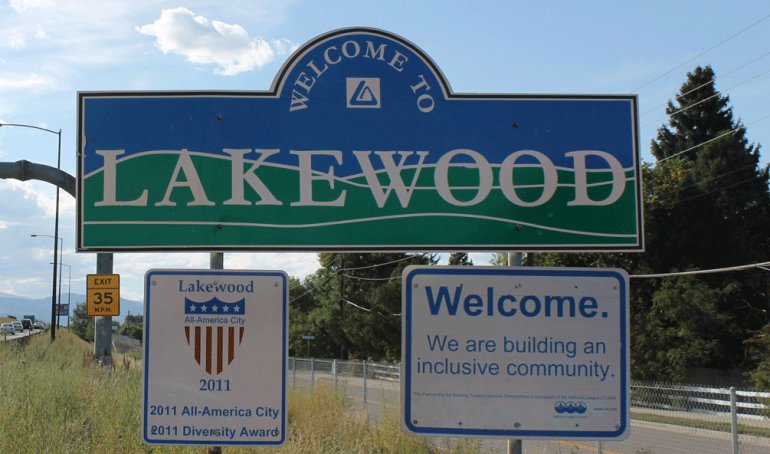
What Has Happened To Lakewood?

logo_lakewood-township

WHAT IS WRONG WITH THIS PICTURE?

I vividly remember my first impression of Lakewood almost 30 years ago, when I visited family members living in the small kolel town in New Jersey. In those days the kolel families were pretty much contained to a few block radius. There was a sense of comradeship and belonging that created a wonderful “one big happy family” type feeling. Simchas were a community event. (more…)

Is Trump the LAST Republican President?

Analyzing the results of the 2020 election is frightening – it might just be so. The first thing that stands out is the huge INCREASE of votes that each nominee received. Biden brags of the highest numbers of votes in American history, and Trump pats his chest with the highest votes any republican (even Reagan’s second term) ever received.

Looking closer reveals something different than the fraud claim. To put it very simply – in this election, the “voting machine” was brought into the homes of the people, and that made all the difference.


First, let us look at some FACTS (taken from the Pew Research Center- as they examined the 2020 election):

  • From 1800 to 1900, America had an approximately f 80% of the eligible voters turn out to vote. From the 1900s onward, it was hovering around 60%. For example – in the two previous elections, in 2012, it was 58%, and in 2016 it was 61%. Now in this latest 2020 election, the result was almost 67%.
  • In 2016 Americans cast 138 million votes, and in this 2020 election cast almost 161 million votes (out of 239 million eligible voters), an astonishing INCREASE OF 23 MILLION VOTES!
  • In this election, 59 million people voted by mail-in ballots (from 96 million early votes). As opposed to 2016, when only 33 million voted by mail-in ballots, a good part of it the military.
  • Young people 18 -29 yrs. Traditionally ranked as having the lowest turnout continuously hovering at 40 – 45%; as we saw in 2016, only 44% voted – now in 2020, they voted at a 55% rate.

Attorney General William Barr was one of President Trump’s most loyalist cabinet members (he was almost his lapdog doing his bidding). When he announced he is allowing his agent to get involved in checking for fraud, it should have been obvious to everyone that a real examination of the facts would take place. Among his investigators, there must have been many who had the same desire to get Donald Trump re-elected as we have. After two weeks, they returned to Mr. Barr – sadly telling him we found nothing, no WIDE voter fraud – except some procedures not followed, or some dead people voting, missing ballots, etc., basically nothing that would anywhere near change the election results. Now what is Barr to do – he desperately wants Trump to be president; however, he has to be true to the oath he took. It should have been clear to all of us – it is over. No matter how much we longed for President Trump to win, how great he was for Israel, we still have to face reality, and with a sad heart, must accept his defeat. (not expecting this from our Charedi community prone to every conspiracy theory, Covid hoax, Metitzah b’peh anti-Semites, Measles theories, etc.).

All those that swore to an oath to be fair (including the US Supreme Court) realized – was not fraud, but a shift in voting patterns was the answer to these spikes in votes. They observed that – as we allowed people to vote from their kitchen tables, the two main groups that traditionally had the lowest voting turnout now voted in this election. What pushed the election results for Biden was the inner-city non-white voter and the restless young. Should you examine only the in-person voting, Trump wins by a landslide.

Both of these groups far outnumber their preference for Democrats over Republicans. The Young who are wide-eyed sporting wild minds think they can solve all the world’s problems until they reach their 30’s and 40’s when reality sets in. The good part about them – they are too lazy or have “prior commitments” to show up to vote. The inner-city non-white have a vested interest since they are on the receiving end of social welfare programs. However, they also can’t be bothered or can’t get the voting day straight and are traditionally no-shows at the voting booths.

What is wrong with this kitchen table election setup? Everyone has the right to vote. If you are an American citizen, never worked a day in your life, fathered many children all on the government’s dime, took every program on the books, have no vested interest in anything financial, never paid a cent in taxes – you get to voteand it is counted! This is the cornerstone of our union, signed and sealed in Philadelphia in the 1700s.

We conservatives have to face the fact and realize that America has changed, and there are now many more Democrats than Republicans. We may notice this in the last five elections; Democrats handily won the popular vote. How Bush and Trump got elected was the electoral college, where the two biggest groups that decisively prefer Democrats do not show up to vote. However, once we bring the voting booth to their living room couches, the Republicans stand no-chance. Even as Trump very successfully motivate the Republican base, look at the results!

The Democrats planned for this as they now boast of their success. They will be pushing and trying to widen mail-in ballots in the subsequent elections, cutting off any Republican hopes in the future. Nearly every independent election expert claim mail-in voting can be made lawfully by following the rules exactly:

The voter can request absentee ballots either through an online portal or by applying for a mail-in ballot. They provide their driver’s license number and date of birth to verify their identity for online requests. If they use an application, they must sign it for verification. When an application is received, county election workers compare the signature on the application to the voter’s signature on file. If it is consistent, a ballot is mailed to them. Before submitting an absentee ballot, a voter must sign an oath on the outer envelope. County election officials receiving the absentee ballot must compare the signature to the signature on file. The signatures must be consistent. If the signature does not match, the voter is notified and can take other steps to verify identity. If the signature does match, the ballot is separated from the envelope to protect the right to “ballot secrecy” guaranteed by federal law, and the vote is counted.

What is interesting, the Republicans on election committees, for many years, have always voted for mail-in ballots. They were hoodwinked by the Democrats and were taken – hook, line, and sinker in this election. There is one problem with the above; you can easily trace someone’s signature with a lightbox, where the untrained eye cannot notice it.

Every place where mail-in ballots will benefit one group, they will now look to push this agenda. I am sure in Israel this is being noticed, where on average, only 65% vote. The Charedi community’s votes are almost 90%, as the Gedolim go “publicly” to vote before shacharis and the Rebbes even before the mikvah. In the west bank, they also have a similar voting record, as they desire to expand the settlements. Who does not vote – the Tel-Aviv yuppies with no great vested interest; they go to the Army, they work for a living, as long as the restaurants, bars, movie theaters remain open, why bother? However, bring the voting booth to them and see what happens to the others’ outsized influence.

There is one setback, which might be why our American forefather chose to establish a day of voting in person. Keep in mind the mail service was already established. Why not use the mail to vote? They might have been worried about fraud or coercion by others. That is why a curtain is closed around you as you go into the voting booth, and even your spouse cannot go in with you. This problem would be highly prevalent in our Charedi community. In the 2016 election, the Satmar Rebbe stated publicly – all must vote for Hillary Clinton. They announced in all the shuls by the heads of the community and in the name of the heilige Rebbe – everyone without exception must vote for Clinton. Huge billboards plastered Williamsburg. Imagine their shock when their district’s results came in; over 85% voted for Trump. (wish we here in Monsey we would take a notion out of the Satmar Chassidim’s playbook). Now imagine if the Satmar Rebbe declares everyone must sign and give their ballot to some Moshe Shmiel Gabbai who will deposit it into the ballot boxes for you. Also, what stops a household head from forcing everyone to vote a certain way or what stops someone from offering $10 to a drug addict or to a poor woman to give him their signed ballot to drop in the box. All these things open up a can of worms. It just might be the forefathers realized “election in person” will keep voting fair. Early “in-person” voting does make some sense, but keep mail-in ballots for the elderly, infirm, and the military.

There is an advantage to mail-in ballots. How often do we not go vote, thinking it is not important and cannot be bothered to drag out? An example of this is the Monsey Library. We pay over 3 million for a library that has been shut down for the last ten months, On an average year, the library’s vote total is meager, and a good percentage are their employees – Now, imagine we can vote from our kitchen tables, how nice we would have a much greater say in how the community spends our hard-earned money. Maybe we also can save our precious community from becoming Brooklyn.

The fight over mail-in ballots starts now! The Republicans realize their fatal mistake, and the Democrats see a great opportunity to bury any Republican presidential hopeful. As Barr said, there might have been some fraud, but not where it can turn over the election. Trump is claiming it was not fair to allow mail-in ballots or extend the time frame. However, the Republicans voted for it and now realize their blunder. Should Trump still fight this out?? Many Republicans feel – we made a mistake, and let’s move on. However, if Trump keeps fighting, even as he will eventually not win, but might stop mail-in ballots in their tracks, giving Republicans hope in the subsequent presidential election.

However, if mail-in ballots are expanded, put up a picture of President Trump and have some old fond memories.

Author: 003

A Question to The Frum Community: The COVID Epidemic

Jewish reporter attacked and called 'Nazi' as unrest over Covid  restrictions intensifies in Orthodox New York neighbourhood | The  Independent

Should one walk up to just about any Charedi Yid from Williamsburg, Boro Park, or Monsey and tell him of a (hypothetical) 70-year-old Jew living in St. Louis who was just diagnosed with a rare disease that will take his life. There is only one “outside” chance of a new drug that can possibly help. For reasons, its cure can only be driven down and time is of the essence. Watch how they would jump to it! To help another Yid, not caring about Shabbos, davening, missing simchas etc. They will drop everything and drive straight down to give this Jewish soul a chance to live. How many times on Yom Kipper do we run out of shul, jump in a car, desecrate everything we hold sacred, to take a 95-year-old cancer patient (with one foot in the grave) to the hospital, so that “maybe” he can live another month or two.  Look around, there is no one that would dedicate themselves for another as much as our community. For even a slight chance of life, we raise millions, charter jets, spend days in search boats. Simply NO other community can hold a light to our record of dedication to another.

Here is the question: With Covid, we perform a total about-face and just don’t care if others will die. Why Is That?

No one can argue that COVID is not a killer, as it has taken the lives of over a million people, and in our own community, it left a long wake of over 1,000 deaths. In Bnei Brak just in the last 2-week period: 55 dead, buried, and gone, there are graves to go visit for proof of its effect. Yet we totally ignore reality, everyone becomes an anti- semite – hydro with zinc is the answer – the FDA are paid off – masks don’t help – doctors are hiding things– herd mentality – all fake statistics, etc. there is a “conspiracy” lurking around every corner, all the while bodies keep piling up.

This question is baffling indeed!  How can these two extremes co-exist within our community.

For arguments sake let us say every politician is an anti-Semite, yes, they allow BLM to demonstrate but us they lock down. What does BLM have to do with us? What are we trying to prove – that since they let BLM act dangerously and kill some of their own, we will show them and will do the same! It might be a good argument if it would not cost us hundreds of lives.  Let’s forget the government for a moment, what are WE doing to protect ourselves and our elderly. Can it be we are so callous by saying “I am young and younger people don’t die from it, who cares about the elderly?” That cannot be the issue, it is not who we are, and in other instances we do everything for the elderly. What should we be asking? Is what WE as a community are doing to try to stem these deaths? Should we not take these extra precautions ourselves without any so called anti-Semites prodding us to do so. If we were to use the recommendations of almost all the doctors, wearing masks, social distancing, no large gathering, would we not be able to save at least a few lives? How many minyonim or simchas are worth one Yiddisha neshumah?!  Is there any halacha or precedent that 1,000s are now worth one life, or is the halacha just the opposite? The Question begs, forget the government, we as a community do so much for others, why with Covid we are so indifferent to the blood of our brethren?

Now once again – stop any Charedi Yid going to a shul, not practicing social distancing, not wearing a mask, dancing together in crowds, ask him why he is not taking some precautions You will get  these answers: “Masks don’t help (and he finds a quote from Trump or some doctor),” “Distancing? Almost all yidden had it already,” “Dancing? We have to live!” Then ask about the 1,000’s yidden dead, “It is a conspiracy, everyone who died they blame on covid.” Next, they quickly quote that the flu kills more people. What does one have to do with the other? Cancer also kill people. What about old people? “Well they can take the hydro with zinc, and they should not go near anyone,” basically locking themselves in a closet. “It is all their own fault.”

Trying to analyze this, do they really believe they are right and the 98% of all infectious disease doctors and experts are all wrong? Is everyone out to get them? Are all health agencies noting but conspiracies? You will hear them claim that the FDA is totally corrupt – in the hands of big pharm or they are trying to influence the elections.  Google it, the decision to approve a drug or not, is in the hands of roughly 173 FDA people. According to these theories, all 173 people have been paid-off. In comparison Charles Mason killed only 9 people and the 173 FDA experts and doctors are ALL willing to kill hundreds of thousands for a few bucks. Proceed to ask them how many sub agencies are in the FDA…blank stare. How many times does the sub agency that approves drugs meet? What is the FDA leading 19 member team doing themselves to have check and balances on their sub agencies? All you get is wide eyes and blank stares. Ask them if they were hired by the FDA to watch over the drug companies, would the take a million dollars to kill 5 people.   Me….no, I will never do that…OH, but one thing they “know for sure” that the 173 FDA are compromised and willing to kill. Any proof – NO.  It is truly funny; they know nothing about the FDA but know they are all corrupt. The FDA works with “hard data” from peer reviewed testing, not group influence. They have standards and regulations how a to meet their requirements. Should they see the HARD EVIDENCE and someone on top tells them to ignore it – all will just fold??  America is not Russia nor Afghanistan. Their job does not hinge on someone above them. I venture to bet if they were told to ignore hard data, just about everyone would raise an alarm and run to the press. These experts were vetted for their honesty before we put our lives in their hands.

To sum it up – our community thinks it is all one big conspiracy backed by anti-Semites!

To find an answer to the above posed question, let us examine what the possible reasons are:

  1. Our long, long, history of living in foreign lands under despot rulers, where every law was passed had an open or hidden agenda on how to make our lives miserable. 70 years in a benevolent country like America we still cannot eradicate this deep-seated suspect hatred from our sub-conscious minds. This was explicit as soon as covid came out, we believed Dr. Zelenko with his claims we are all safe and the rotten FDA are not willing to go along. Think back, we claimed Mzitza B’peh had nothing to do with science or medicine, it was a conspiracy to uproot Bris itself and they just started with this. Remember Measles! We have a good excuse why we are full of conspiracies; we can turn around and blame this thinking on the 2,000 years of oppression.
  2. We are a nation of kishey oh’ref a stubborn people. Yes, we stand head and shoulders above the rest when it comes to helping others. However, should it try to restrict our lives – no shuls, nor our usual fancy full blown weddings, or forced to wear masks, then we turn 100% and just don’t care about others. In other words, we are a good people as long as our lifestyles are not crammed. Once we are restricted in our lives, (forget about not caring about the non-Jew) we are willing to spill our own brothers’ blood as long as we are free to live the way we want. Overly good people until it comes to our own comfort. Can you show another group of people that are fighting these protection measure like us? Any other community in America demonstrating?

Which of these are the true reason? It is hard to gauge. Most will not accept the second reason because that argues we are a tough, obnoxious group. No one wants to accept this reprimand about themselves (will even ask how could you even say something like that about Yidden) However, the truth is this stubbornness also goes back to our collective conscious – we survived in the diaspora and had to be stubborn to survive the 2,000 years living subjected in foreign lands.

The first reason has a serious setback. The frum but not charedi yidden, in the 5 towns, Yeshiva University community, most of New Jersey, many in our own community, and the rest of the frum community in America also came with this baggage of 2,000 years living under oppressive rulers. However, it seems they were able to shed this baggage and become rational people. After 70 years, they realized this government is not out to ‘get them,” and most are not “anti-Semites,” they are just trying their best to keep everyone safe.   

Author: 003

No, We Are Not Assimilated Orthodox Jews

In response to “Are You an Assimilated Orthodox Jew” by Rabbi Chananya Weissma

            In his recent Op-Ed, Rabbi Weissman posits four indicators that determine if one is an “assimilated orthodox Jew.”  Before addressing each in turn, it is noteworthy to mention that when Weissman states, “morality is not subjective,” and it is hard to find a religious person, Jewish or otherwise, that disagrees with that statement.  Yet, he then bases his entire article around four highly subjective criteria to lump countless Orthodox Jews, lightly put, into a highly undesirable classification.  For brevity sake, these are his four indicators, so that they may be referenced to throughout my response.  1: One lives outside of Eretz Yisrael and has no intention of moving there; and one teaches their children how important it is not to make a Chillul Hashem (he postulates that there is no greater C’H than Jews living outside of E’Y).  2: You take moral cues from non-Jewish society.  3: You believe interlopers in our land deserve control over part of it.  4: You have a problem with the mitzvah to wipe out Amalek.

            First, there are many reasons that Orthodox Jews do not live in E’Y.  But to name a few, some people have medical conditions that disallow them from even traveling to E’Y because in a country where medicine is socialized, they would not receive the treatment they need without going through costly-prohibitive back channels.  Further, many cannot move because Israel’s immense taxation and heavy-handed control over business make it difficult for people to make a parnassah there, as they would in America.  Obviously, there are many more legitimate reasons that Orthodox Jews cannot just pick up and move, but Rabbi Weissman contends that they don’t exist.  Would we all move if the situation was right?  Sure.  But to most people, it is not.  Next, Weissman’s second “clause” is an extreme logical fallacy.  Let’s clarify: one must be an assimilated Jew if they have no intention to move to E’Y and teach their children not to cause C’H, because being in America is the greatest Chilul Hashem?  Even if Rabbi Weissman was correct, this implies that one should not teach their childrento avoid aveiros, just because the parents struggle with some aveiros.  So, if one has a hard time going to minyan, or grappling with other aveiros, they shouldn’t bother teaching their children not to do them.  In Weissman’s words, “no amount of good behavior will make up for it.”

            Second, our society’s morals have always changed in line with that of non-Jewish societies, whether one cares to admit it.  This occurred in many facets of life, from dress to religious practice.  Further, gender roles have changed in the Orthodox world, and most of that change has brought great benefit.  Communities in places like Lakewood, Monsey, and E’Y contain thriving Kolel life because society changed, and it is now acceptable for wives and mothers to be the (sole) breadwinners.  Rabbi Weissman mentions those who become vegans because of a twisted sense of morals, and that is a point with which I agree.  However, he writes as if this is the norm in Orthodox society today.  It is not, and most people reading this article likely don’t know more than one or two (if any) Orthodox Jews who are vegan because of the morality of it all.  Finally, just because some outspoken women pushing “new” women’s roles, this does not indicate the norm in the Orthodox wold.  Klal Yisrael now has more “Torah” families with gender roles Rabbi Weissman would approve of, than ever in history.

            Third, most Orthodox Jews do not believe that “interlopers” should have any control over E’Y.  However, and tying back into the first point, one of the reasons people aren’t running to live in current E’Y, is exactly the root of this point.  The current government is structured in a way that, at times, can be less friendly to Orthodox yidden than other world governments.  The very Jews in charge of the State consistently capitulate to the whims of foreign pressures, and cede control to said “interlopers.”  The same Jews are the ones pushing new gender roles and the very things Rabbis Weissman disdains.  It is no wonder why many Orthodox Jews don’t want to move to E’Y under this regime.  Does Rabbi Weissman truly think that many Orthodox Jews in Lakewood, Brooklyn, Teaneck, etc., believe that there should be 15 Arab Kinnesset members?! Or that they are OK with the IDF, that seeks to draft all Orthodox girls and boys, having one of the highest abortion rates out of any organized army worldwide?  How Israel is currently run is precisely why many Orthodox families have not moved there.

            The fourth indicator is just a baseless attack on Orthodox Jews in general.  Rabbi Weissman states that we must be so assimilated, that were Eliyahu HaNavi himself to appear, give us a sword and lead us to a member of Amalek, we would “want nothing to do with it.”  Rabbi Weissman does not offer proof.  He simply declares that we are so meek in our religious observance, that the Orthodox world wouldn’t perform an outright Mitzva D’oraysa if it were staring us in the face.  This point is the least consistent, as Rabbi Weissman does not even provide a rationale as he did for the first three indicators.

            In sum, it behooves us all to be Dan L’Kaf Zechus and assume that Rabbi Weissman’s article was not, as seemingly written, a broad attack on the Orthodox Jewish community at large.  This is not an attack on Rabbi Weissman, but a defense of the Orthodox Jewish community as a whole.   Perhaps it was just the way it was written that led readers to that belief, and in fact, it was only intended at a few among us.  Either way, it does not detract from the main point of this response.  No one among us should be judging members of the Orthodox community without personally knowing them.  Not on our decisions to remain in America (for the time being), or on our observance as Jews.  Certainly, not in a manner as broad and subjective as this Op-Ed has.


Monsey/Rockland Elections Are Over and The Corruption Continues

The race was not even close. No one thought the elections would go in a different direction than they had. There was no chance that things would change.


The BLOC has done it once more. Specht and the powers that put him in office have won again. There is no longer hope for Monsey as the local government is corrupt and the elections are rigged. Putting St. Lawrence in prison just taught the others to be more careful in their corrupt ways and there is no longer any hope for this area. The BLOC vote will control this area until it becomes uninhabitable for all those who once called this place their home.

It is time to move.


Monsey as we know it, is dead.

Long live Monsey.

THE YESHIVA EDUCATION PROPOSAL: A True Understanding

IMG-20171023-WA0013-696x465.jpg

Mary Ellen Elia is the New York STATE Commissioner of Education and President of the University of the State of New York and the one proposing to implement the public school curriculum for Yeshivas. She is well respected and is responsible for the education for all New Yorkers. She has a strong background in education.

Richard Carranza is the New York City commissioner of education and a leftist radical in the mayor’s pocket. He can do what he wants to with the NY public schools, as that is the mayor’s territory. He has absolutely no say in private schools. Sure, he can try to push his agenda on private schools, but it will be shot down by the courts as we see time and time again. The courts agree, you cannot force someone in the private sector to do something that goes against their beliefs and religion. As we have seen when trying to force the Catholic Churches to offer abortions in their health plans. This is true on the federal, state and local level.

(more…)

Yom Ha’atzmaut 2020

yom_haatzmaut_ac3b1o_69


A land where there is more Torah learning today than ever in Jewish History.  A new Jewish baby is born in Israel every four minutes. Biblical prophecies have come to life. Towns where our forefathers lived, such as Chevron, Beth El and Shilo, are replete with children, Shuls, mikvehs and thousands of fruit trees. A Jewish army has been established – the first in 2000 years to protect its citizens.  97% of boys receive a bris.  Most fast on Yom Kippur.   90% have a Pesach seder.   Perfect?   Not by a long shot. We know the country is rife with religious differences and difficulties. But deserving of praise and gratitude to our Father who gave us this special  gift?  Definitely!

The following excerpts were written by Zachariah Schwartzberg zt’l.  A survivor of the Warsaw Ghetto and the concentration camps.

“I have never seen any conflict between the love of Judaism and the love of the State of Israel.  I know too well what happens to defenseless Jews.  The historical circumstances of the rise of a sovereign Jewish country, coming as it did in the immediate wake of the Holocaust – the culmination of endless persecutions, was as clear an indication as could be that there is a G-d in charge of the world, a G-d who directs our destiny and orchestrated the stunning miracle of Israel’s resurrection from the ash heap of history.  To those like me who had seen firsthand the hatred of our enemies – the new reality of soldiers soundly defeating our enemies was a healing balm unlike any other to both heart and soul.  I watched the awestruck expressions of the young soldiers at the kotel as they listened to the sounds of the shofar. I couldn’t help but recall the faces of the Jewish boys I’d known in Poland who could never EVER have imagined such a scene and never lived to see it.  How different things would have been in the 30’s had there been an Israel.  In July 1976, when Israel mounted the Entebbe rescue that shocked the world,  I was besides myself with gratitude to Hashem”.

We must never forget the horrors of the past – always focus on our numerous blessings as we pave the way for our ultimate redemption, speedily in our days.

Author: 002

The Skulener Rebbe Z”TL

merlin_153024576_3faaae53-212a-4c26-a642-d4d1bbfb7104-superjumbo

The huge turnout for the funeral exceeded almost everyone’s expectations. It was indeed larger than other great Rebbes’ funerals from the past generation. The question begs – Why? What did people see or feel, that brought forth this outpouring of grief, taking from their time to come to pay their last respects? To be honest, in his lifetime, The Skulener Rebbe did not have this level of commitment from Chassidim, nor did he have people flocking to his Tish or his Simchas. (more…)

The Jewish Name Game

This game is perfect for all situations and fosters a health competitive atmosphere.

The rules are as follows:

Two people decide which one will begin the match. This game is best played with the winner being the one who succeeds in 2 of 3 matches.

The player who begins will start by saying a Base Jewish name. Within >3 seconds, the second player must respond with the original base name and a new Jewish name.

The first player then responds with the previous names, tacking on a third Jewish name, within the >3 second time frame, of course.

The game continues until one of the players either misstates the full name (all previous names), reuses a name that was listed prior, or takes too long to respond.

Sample Base Names: Katz, Klein, Cohen, Berg, Stein, Fein, Feld, Green, or anything short (and Jewish) really 🙂

The following is an example of a match:

Player One: Katz

Player Two: Katzberg

Player One: Katzebergstein

Player Two: Katzbergsteinfeld

Player One: Katzbergsteinfeldwitz

Player Two: Katzbergsteinfeldwitzenheimer

Player One: Katzbergsteinfeldwitzenheimerer (Yeah it’s a cop out but we allow it)

Player Two: Katzbergsteinfeldwitzenheimererblatt

The winner of 2 out of 3 matches wins the set and can proclaim his or herself Jewish Name Game Master or the immediate area, until he or she is dethroned by another challenger.

Generally, after 6 or 7 names the game is generally lost and won. Although, between legendary players, some matches have been known to go for over 10 names! Or so the epic tales have it.

The game is also known as the Jewish Name Suffix Game (but that’s a bit wordy).

The Jewish Name Game was invented in 2013 by some well meaning (albeit, bored) Jews.

Of Rebbes and Lotteries

5891357728_dd5758c34c_b


Reb Fishele Strykover, Reb Bunim of Pshyskhe, and The Lottery

Reb Fishele learned under the Maggid Reb Ber (Mezritch) and then with Reb Meilich of Lizensk. Later, he went to the Chozeh (seer) of Lublin, where he met the Yid Ha’kodesh and the Kotzker.

One day, sometime in the first quarter of the 19th century in the town of Strykov in central Poland, the Chasidisha court of the revered Rabbi Ephraim Fishele Shapiro, known as Reb Fishele Strykover, was thrown into turmoil. Without warning, Reb Fishele had withdrawn into his room and would not see or receive anyone (similar to what the Kotzker did for the last 20 years of his life). His Chasidim were dismayed. No longer could they go to their Rebbe the righteous one, for guidance or consolation. After much pleading and begging, still the Rebbe Reb Fishele did not want to leave his room nor speak to any of his Chasidim. For him it was over and done with, he is no longer a Rebbe!

(more…)

Halakhah: The Rabbinic Idea of Law

Book Review: Halakhah: The Rabbinic Idea of Law

In an immaculate display of sheer intelligence, raw understanding, and intimate insight into the religious world, Chaim N. Saiman, Professor of Law at Villanova University, broaches an unexplored topic that is the true nature of Halacha, in his new and groundbreaking book: Halakhah: The Rabbinic Idea of Law. 

    In his work, Professor Saiman astutely delineates the difference between Jewish Halacha and the normative law usually found in societies around the world. Using keen insight into the Frum Jewish sphere, Saiman provides valuable insight and provokes deep thought on a ubiquitous aspect of our lives, a topic that isn’t normally broached in yeshiva circles. Never has a work delved so deeply into the nature of Halacha, to force the reader to take a step back from everything they were taught and led to believe, in order to gain a true understanding of the very construct that governs our everyday lives!

       To merely read Professor Saiman’s chapters on Halacha as Non-Applied Law (plainly: that much of Halacha is written, taught, and learned in a way that makes it nigh impossible for it to ever be realized in actuality), or  the chapter on Halacha in relation to its current state and previous transformations throughout the ages (from Gemara to Tur, etc.) warrants the purchasing of this book.

    This book truly frames Halacha in a novel light and allows the reader to observe something they have known all their lives in a whole new light. The book first seeks to truly define what Halacha is and then moves on to explore its history and application. Saiman explores the many aspects of Halacha, such as: Halacha as Torah (Revelation on Sinai, learning for G-D), Halacha and Governance (Enforcement of Halachos and the legal system), Halacha as Theology (addressing laws of prayer and Shabbos), and Halacha as Education (how Halacha works in relation to human interactions with one another). In just a few hundred, well written pages, Saiman is able to present this familiar concept in a novel way to help the reader think as few ever have.

       I will not delve any deeper into the contents of this seminal work, as I fear, at worst, misrepresenting Professor Saiman’s message, and at best, depriving another reader of enjoying this epic journey on their own.

Click the image below to check out this amazing work and discover a world beyond everything you’ve been taught to believe!

There Is NO REASON Any Jew Has Not Read This!

kach_a1


Purchase KACH Here


The message clearly drawn out in this short read is something that has never been more true than it is today!


After the recent and horrific events this has never been more important!

Everyone should be heading down to the country clerk and applying for (CCW) concealed carry permits. No reason for not exercising the second amendment right. Everyone should do the necessary research and commit to the required and proper training for owning and operating a firearm. We can do something that our ancestors before us were unable to do in the countries before this one. We can defend ourselves, we can use deterrents that were unavailable to our predecessors. Be responsible. Get a conceal carry permit. Pick up a home-defense shotgun. Read the necessary literature. Take courses at the local range. There is no excuse not to.
Exercise your right as an American and your duty as a Jew!

It is far beyond worth the 5 dollars it costs to purchase! The ideology and message expressed within should be promulgated to every Jewish household!

Something Mr. Moster Doesn’t Care For

jueus_ultraortodoxes_satmar_a_brooklyn

The ongoing issue regarding the education debate in the American Chasidish community is one that has many people scrambling to take sides in. Although there will be exclusive Thinking Yid articles dressing this situation posted in days to come, the following article, written by Rabbi Avi Shafran, hits the nail on the head. His eloquence and careful word selection easily conveys an important message to all those who support Moster’s (at best) misguided efforts.

https://www.haaretz.com/us-news/.premium-don-t-pity-u-s-orthodox-jewish-kids-who-don-t-study-english-and-math-1.6216758

Tomorrow

20274047889_b923580bc8_b


“See you later.”

How often do we hear/use this phrase?

We don’t even realize it, but this is a huge assumption. By saying this, one assumes that both, yourself and the other person, will be around later. This is bold reasoning when one considers the wide array of things that can occur and end either or both lives abruptly. We also use this line of thinking when we do something that we know is not good for our physical or spiritual self that we assume that we will fix at a later time. It is important to realize that no one leaves this world having completed their “to do list”. This does not mean that we should give up and stop trying! Quite the opposite. We should try our best all the time and prioritize what is important to us. Have parents? Make sure to spend time with them and tell them how you feel. Even if ‘they already know.’ The same goes with your friends, try to make time for them even if it’s for a few minutes.

Treasure the people in your life whom you care about and who care about you because in this life, nothing is for certain and very often we forget about that until it’s too late. So, love your family and friends, say it and show it. If you care about something show it, if you want to make a difference, do something. So many people don’t do anything and wait for tomorrow, not realizing that tomorrow is not guaranteed. One of the biggest issues we have especially in today’s society is how fast paced everything is. Everyone is busy all the time and we push things off thinking we will get around to it ‘later.’

Avoid this pitfall and  make everyday count, live life to the fullest. Talk to your family and friends, let them know you care for and appreciate them.

Be grateful for each day, because every day is a gift. 


In Memory of Elias Friedman


Author: 008


YOM HA’ATZMAUT 2018

yom_haatzmaut_ac3b1o_69

Happy 70th Birthday, Israel!!

A land where there is more Torah learning today than ever in Jewish History.  A new Jewish baby is born in Israel every four minutes. Biblical prophecies have come to life. Towns where our forefathers lived, such as Chevron, Beth El and Shilo, are replete with children, Shuls, mikvehs and thousands of fruit trees. A Jewish army has been established – the first in 2000 years to protect its citizens.  97% of boys receive a bris.  Most fast on Yom Kippur.   90% have a Pesach seder.   Perfect?   Not by a long shot. We know the country is rife with religious differences and difficulties. But deserving of praise and gratitude to our Father who gave us this special  gift?  Definitely!

The following excerpts were written by Zachariah Schwartzberg zt’l.  A survivor of the Warsaw Ghetto and the concentration camps.

“I have never seen any conflict between the love of Judaism and the love of the State of Israel.  I know too well what happens to defenseless Jews.  The historical circumstances of the rise of a sovereign Jewish country, coming as it did in the immediate wake of the Holocaust – the culmination of endless persecutions, was as clear an indication as could be that there is a G-d in charge of the world, a G-d who directs our destiny and orchestrated the stunning miracle of Israel’s resurrection from the ash heap of history.  To those like me who had seen firsthand the hatred of our enemies – the new reality of soldiers soundly defeating our enemies was a healing balm unlike any other to both heart and soul.  I watched the awestruck expressions of the young soldiers at the kotel as they listened to the sounds of the shofar. I couldn’t help but recall the faces of the Jewish boys I’d known in Poland who could never EVER have imagined such a scene and never lived to see it.  How different things would have been in the 30’s had there been an Israel.  In July 1976, when Israel mounted the Entebbe rescue that shocked the world,  I was besides myself with gratitude to Hashem”.

We must never forget the horrors of the past – always focus on our numerous blessings as we pave the way for our ultimate redemption, speedily in our days.

Author: 002

Monsey School Buses RAMPAGE! (updated)

636541063530706611-cortlandt-school-bus-crash

BEWARE!!!

There has been another reporting of a child being hit by a school bus in Monsey!! Enough is enough!!

School Buses in Monsey are NOTORIOUS for speeding, running red lights and completely disregarding stop signs.

Please be extra cautious around them (as a driver and as a passenger).

The writers at Thinking Yid are working to raise awareness of this growing issue. The sheer madness must stop! No one should see a massive school bus barreling towards their car at 50 MPH in 5 inches of snow!! But they do!!!

It’s bad enough that the days of children walking to school bus stops and buses not stopping on main road is now over, but not only do buses rule the roads now and just stop and create traffic wherever the driver pleases, they also speed and ignore the basic conventions of the road. 

If you’ve observed (or have a recording) of a school bus in Monsey committing a traffic violation or driving unsafely, please forward it to Notarebba@gmail.com


For even more videos than what is posted below, check out this account dedicated to posts about the rampaging Monsey School Buses!

Updated List:


November 2018:

RPD is currently on scene of a roll-over on South Monsey Road involving a milk truck. The driver states he attempted to move over to avoid a school bus that entered his lane, causing him to leave the roadway. Tow companies are on scene. 

Bus forces trucks to swerve out of their OWN LANE! To avoid school bus!!!

Image may contain: tree, car and outdoor

MONSEY SCHOOL BUS RUNS OVER CHILD!!
Rt. 306 and Maple!

(rocklandbuff)

I said this once and I’ll say it again! Until People Die NO ONE WILL DO ANYTHING ABOUT THE RAMPANT BUS SITUATION IN MONSEY!!! Buses in monsey need Dashcams (inaccessible by the driver) and GPS Monitoring speed at all times!! The Drivers are beyond RECKLESS! Why do people need to be maimed or killed until we do something about monsey school buses?!?
maple


MONSEY SCHOOL BUS BLATANTLY BREAKING THE LAW!!!

Credit: SK


(more…)